Believe in Yourself Class 9 Summary in English & Hindi
Summary of Believe in Yourself Class 9
Believe in Yourself Poem Summary Class 9
The genesis of the poem lies in the universal struggle of facing the unknown and the fear that accompanies major life transitions. The central idea emphasizes that while comfort and the "status quo" are tempting, personal growth only occurs when an individual chooses to step out of their comfort zone. It highlights that self-belief is the most critical tool for keeping one's future "on track" during difficult choices.
About the Poet
Robert Langley is a contemporary poet known for his motivational and inspirational verses. His work often focuses on themes of personal development, resilience, and the inner psychological journey of an individual. His writing style is characterized by direct address and the use of simple yet powerful metaphors to encourage readers to take charge of their own destinies.
Believe in Yourself Summary in English
The Solitary Challenge: The poet invites the reader to "Step up to the challenge," noting that there is "no crowd to see". This emphasizes that personal growth is a private responsibility between an individual and their future.

The Conflict of Choice: As the future approaches, the poet asks a rhetorical question: will it pull you forward or push you back in fear?. Choices become difficult when the reality of the future gets closer.
The Trap of Comfort: The poet acknowledges that there is "ease in comfort" and a desire to maintain the "status quo" (the current state of affairs). However, he asserts that humans are not made for stagnation; growth requires moving past this ease.
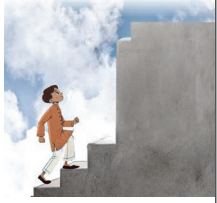
The Hardest Step: The final stanza highlights that "the first step is the hardest". Once that step is taken, there is no turning back. The key to staying on track is an unwavering belief in oneself.
Believe in Yourself Summary in Hindi
एकाकी चुनौती-कवि पाठक को "चुनौती का सामना करने" के लिए आरंत्रित करता है। यह बताते हुए कि "देखने के लिए कोई भीड़ नहीं है।" यह इस बात पर ज़ोर देता है कि व्यक्तिगत विकास एक व्यक्ति और उसके भविष्य के बीच की निजी ज़िम्मेदारी है।
विकल्पों का संघर्ष-भविष्य निकट आता जाता है तो कवि एक अलंकारिक प्रश्न पूछता है: क्या यह आपको आगे बढ़ाएगा या भय से पीछे धकेल देगा? भविष्य की वास्तविकता निकट आने पर विकल्प कठिन हो जाते हैं।
आराम का जाल-कवि मानता है कि "आराम में सहजता" होती है और "वर्तमान स्थिति" को बनाए रखने की इच्छा होती है। यद्यपि वह ज़ोर देता है कि मनुष्य ठहराव के लिए नहीं बने हैं; विकास के लिए इस सहजता से आगे बढ़ना ही होगा।
सब से कठिन कदम-अंतिम छंद में ज़ोर देते हुए कवि कहता है "पहला कदम सबसे कठिन है।" एक बार वह कदम उठा लिया जाए तो पीछे मुड़ने का कोई रास्ता नहीं रहता। सही रास्ते पर बने रहने की कुंजी है खुद पर अटूट विश्वास।
Believe in Yourself Theme of the Poem
The central theme of the poem is self-confidence and inner strength. The poet encourages readers to trust their own abilities and remain confident even when others doubt them. The poem highlights that success comes from believing in oneself, staying positive, and continuing to work hard despite challenges or criticism. It teaches that true achievement begins with faith in one's own potential and determination to overcome obstacles.
- Tone: The overall tone is motivational, encouraging, and determined. It shifts from being thoughtful about the nature of fear to being resolute about the necessity of self-belief.
Believe in Yourself Class 9 Word Meanings
- Status quo: the existing state of affairs; keeping things the same; यथा स्थिति, मौजूदा स्थिति।
- Ease: a state of comfort or lack of difficulty; सहजता, आरामदेह स्थिति।
- On track: following the correct path toward a goal; सही राह पर चलना, लक्ष्य के सही मार्ग का अनुसरण करना।
More from Class 9
- Class 9 English Kaveri Chapter 2 Question Answer The Pot Maker
- Class 9 English Kaveri Chapter 1 Question Answer How I Taught My Grandmother to Read
- Kaveri Book Class 9 Solutions - Kaveri Class 9 Solutions
- Words Class 9 Summary in English & Hindi
- A Friend Found in Music Class 9 Summary in English & Hindi
- Nine Gold Medals Class 9 Summary in English & Hindi
More in English
- Class 9 English Kaveri Chapter 2 Question Answer The Pot Maker
- Class 9 English Kaveri Chapter 1 Question Answer How I Taught My Grandmother to Read
- Kaveri Book Class 9 Solutions - Kaveri Class 9 Solutions
- Words Class 9 Summary in English & Hindi
- A Friend Found in Music Class 9 Summary in English & Hindi
- Nine Gold Medals Class 9 Summary in English & Hindi